

Low-pressure electrolytic ozone water generators will continue to support the new projects at the fish-farming base.
Release date:
2024-10-08
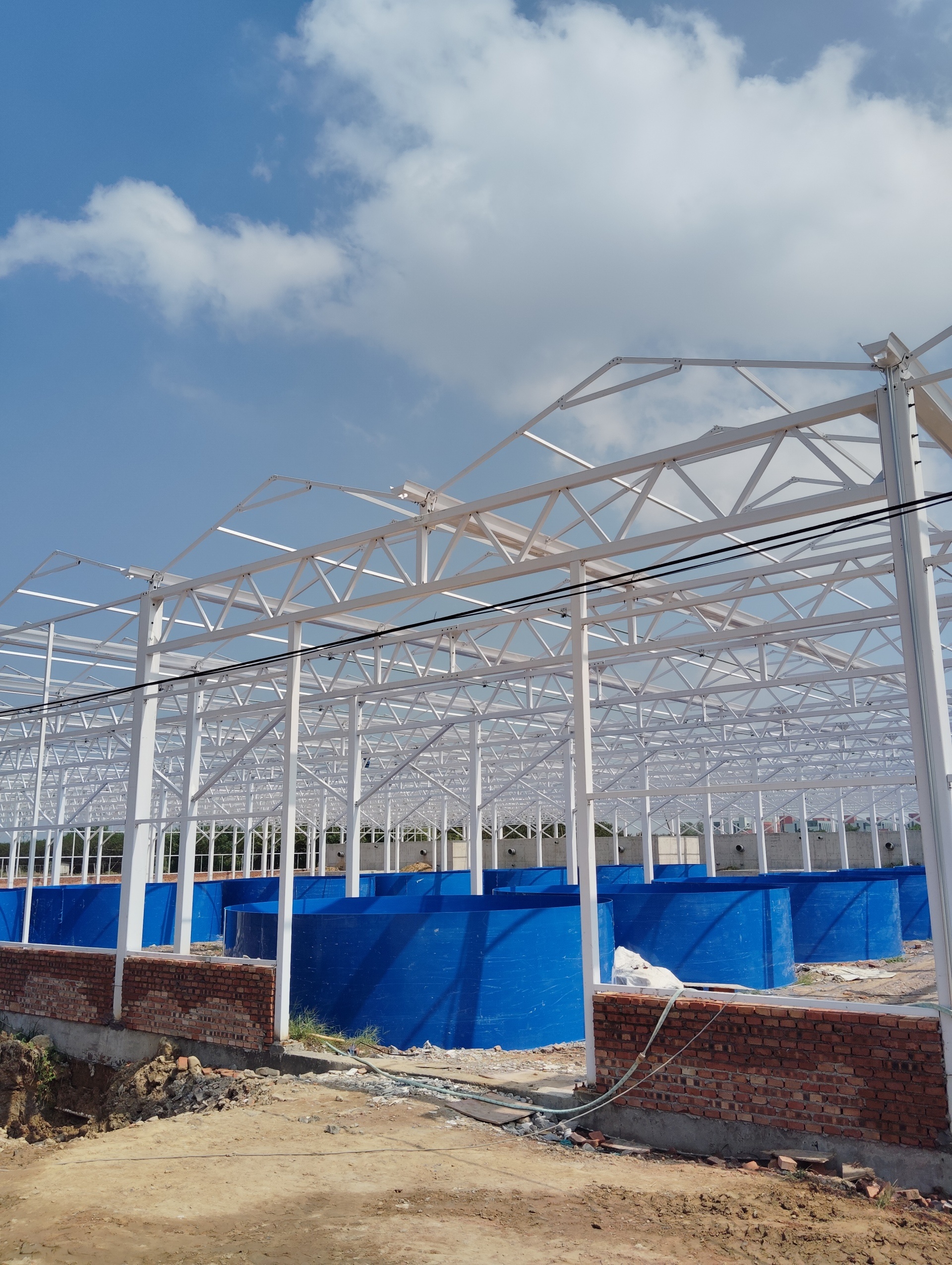
The new project at the fish farm is about to be completed, and the low-pressure electrolytic ozone water generator continues to provide strong support.
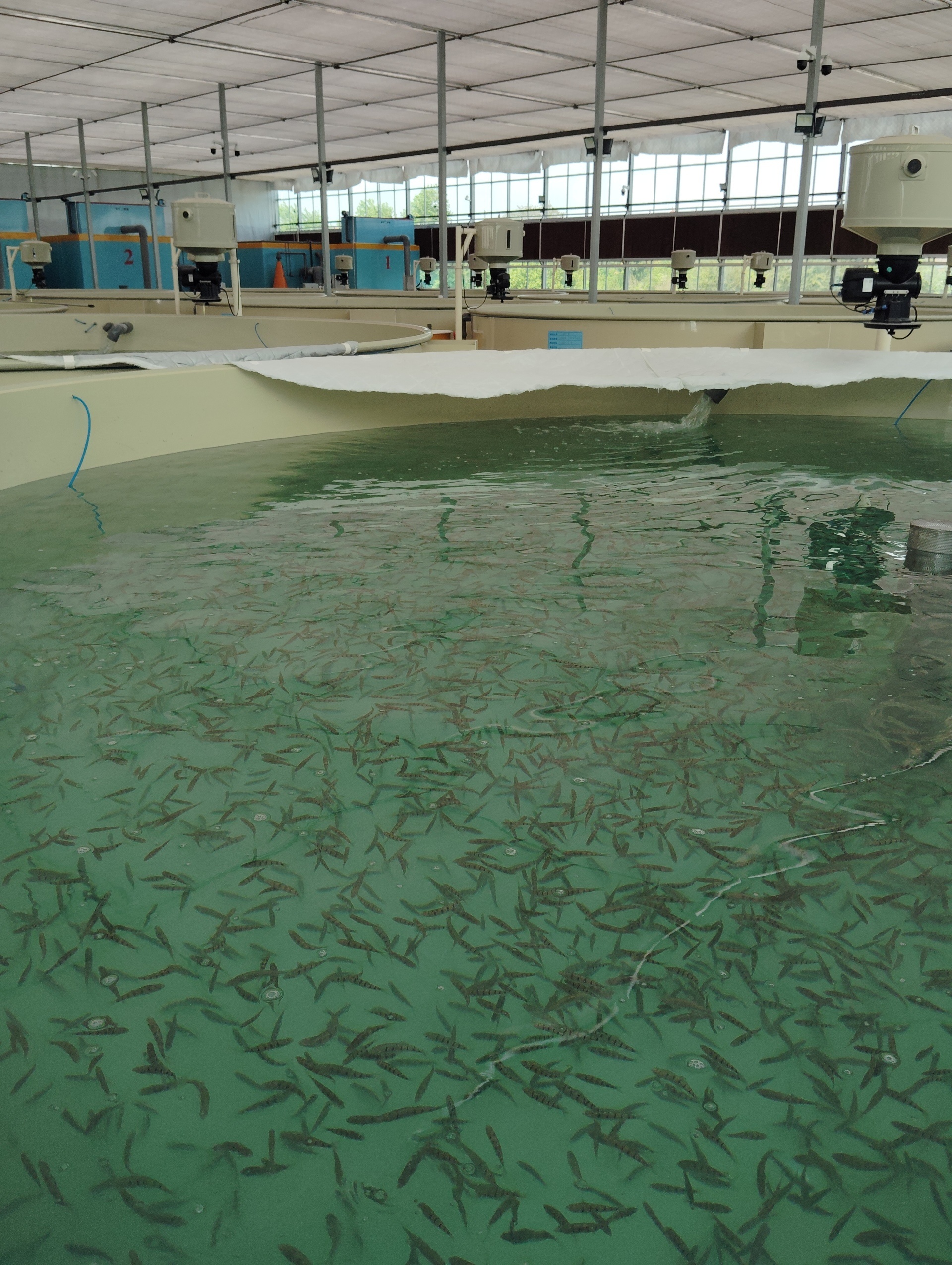
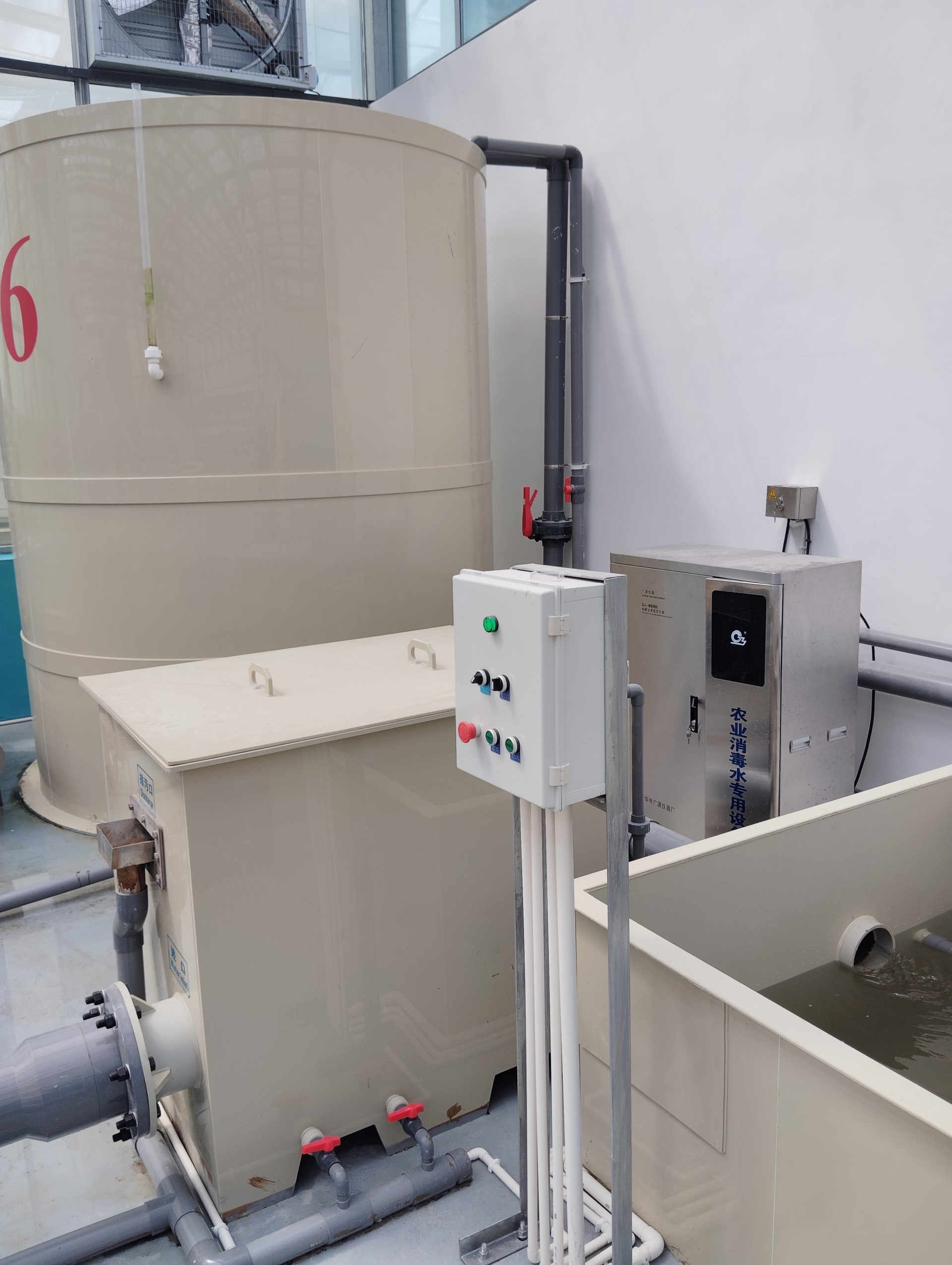
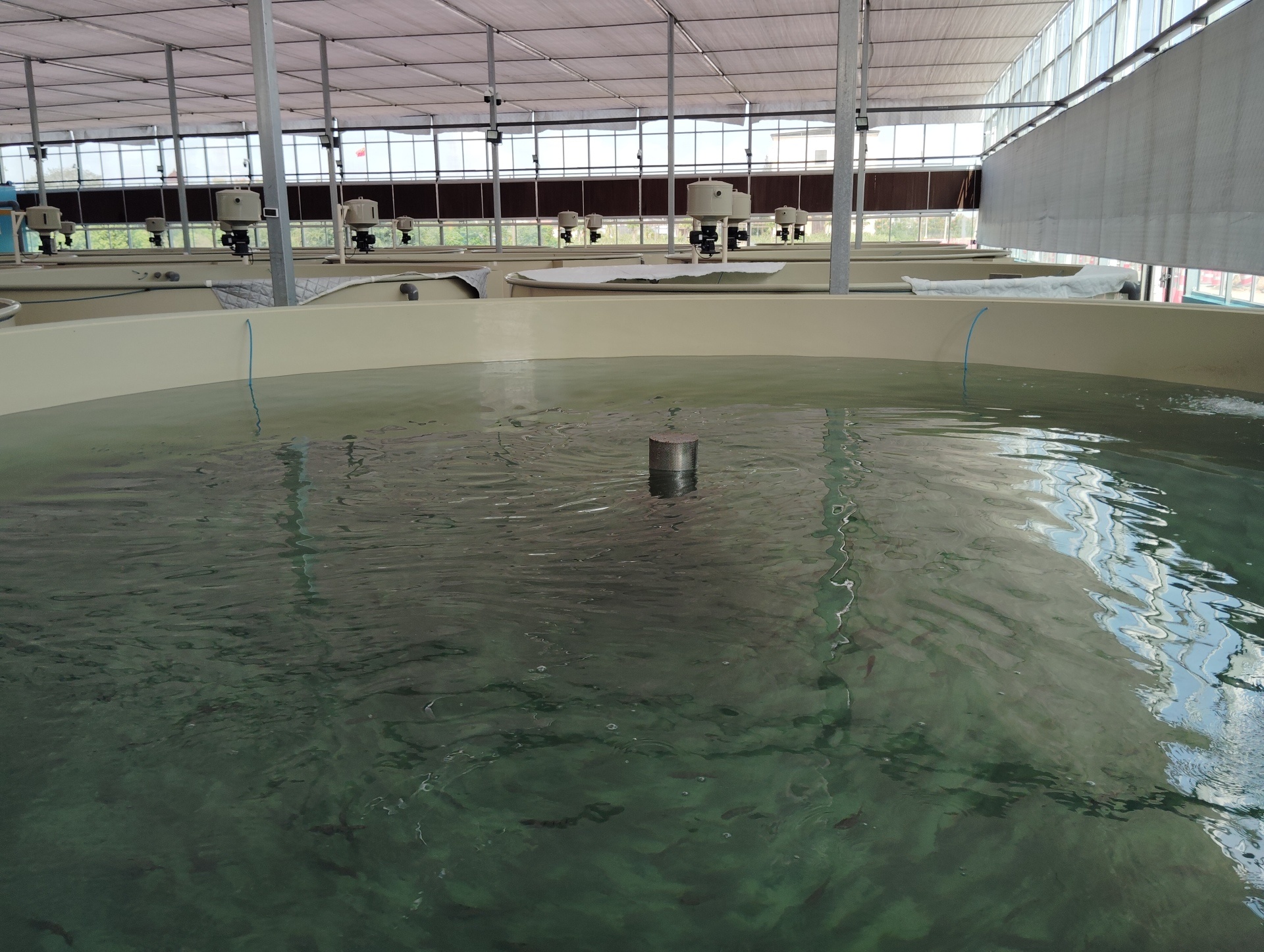
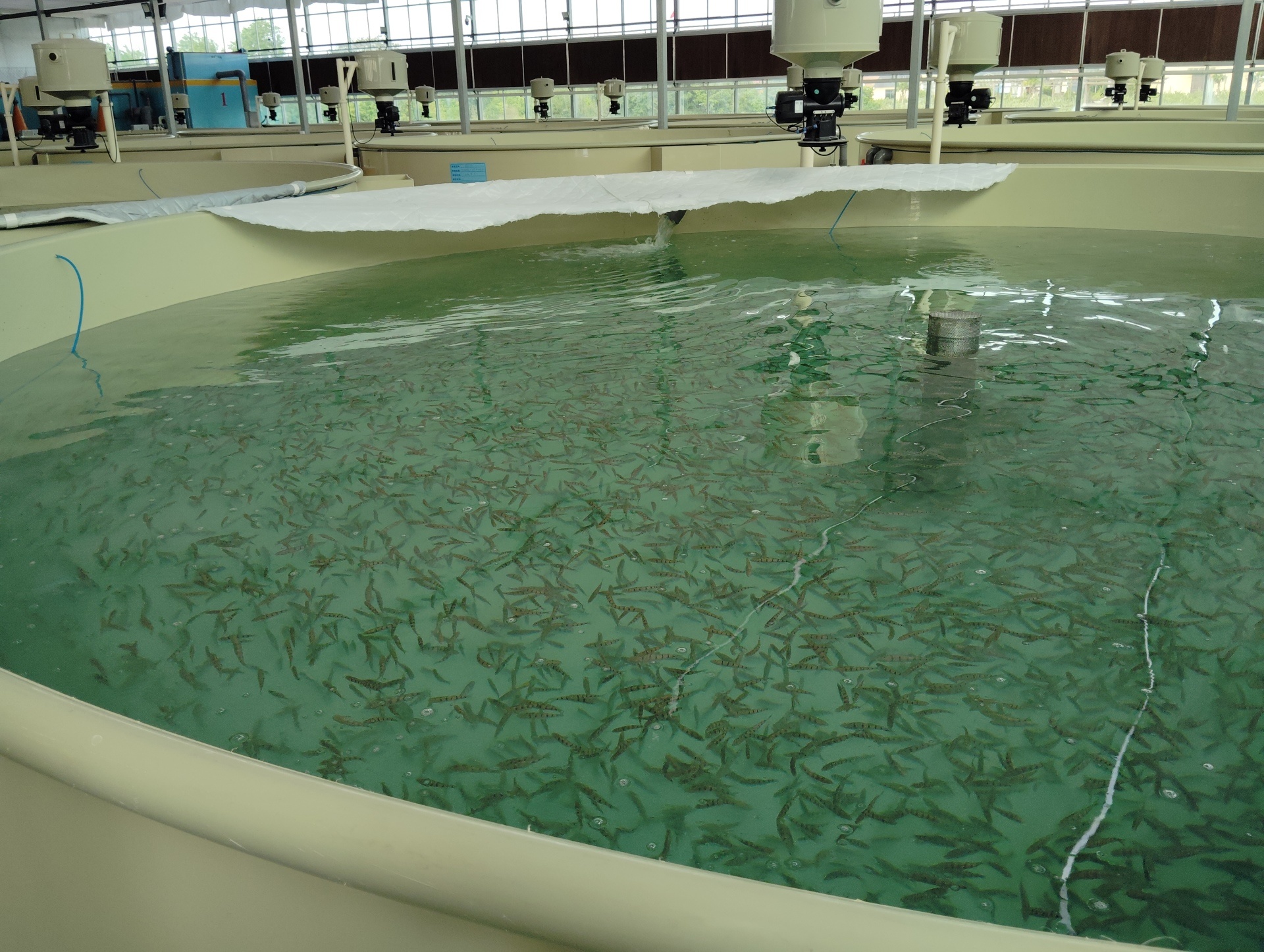
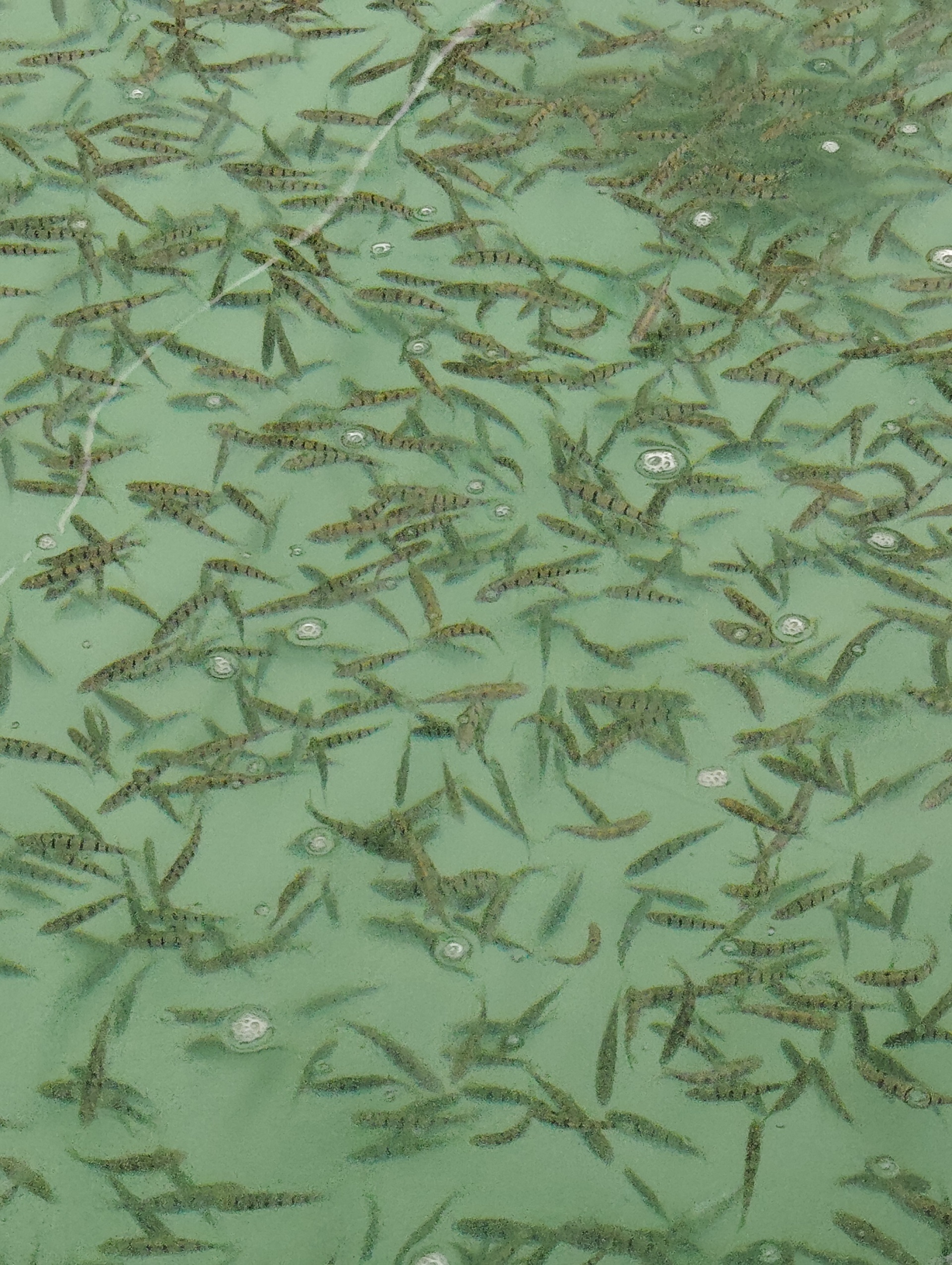
In the field of aquaculture, many practitioners are constantly exploring innovative technologies to enhance farming efficiency and improve fish quality. Recently, exciting news emerged: a new project at a fish farm is about to be completed. In this project, the low-pressure electrolytic ozone generator—a device that has previously played a significant role—will continue to be used in the aquaculture ponds, providing crucial support and ensuring the success of fish farming.
I. Reviewing the Outstanding Performance of Low-Pressure Electrolytic Ozone Water Generators
High-efficiency disinfection and sterilization
In previous aquaculture practices, low-pressure electrolytic ozone generators have demonstrated powerful disinfection and sterilization capabilities. They can effectively degrade pathogenic microorganisms in aquaculture water, such as bacteria and viruses. According to research related to aquaculture, pathogenic microorganisms in water are one of the key factors affecting fish health. Traditional disinfection methods may suffer from incomplete sterilization or cause certain side effects on fish. However, the ozone generated by low-pressure electrolytic ozone generators can thoroughly disinfect the water in aquaculture ponds within a short period of time. For example, in... [1] In the aforementioned applications of ozone in aquaculture, ozone can degrade viral infections in water, thereby preventing the occurrence of diseases. This is akin to building a robust health barrier for fish, significantly reducing their risk of illness and thus enhancing their survival rate.
Improve water quality
Water quality is crucial for the growth and development of fish. Low-pressure electrolytic ozone generators make an indispensable contribution in this regard. They can degrade organic compounds, ammonia nitrogen, nitrites, and other substances present in the water. When ammonia nitrogen and nitrites accumulate to certain levels in the water, they can become toxic to fish, impairing their respiratory functions and overall physiological processes such as growth. However, these ozone generators can break down these harmful substances, significantly improving water quality. It’s as if they’re providing fish with a fresh, healthy living environment, enabling them to thrive in water that’s more suitable for their needs.
Improve feed conversion rate
It’s worth noting that the use of low-pressure electrolytic ozone water generators has also significantly enhanced feed conversion rates. In aquaculture, feed costs account for a substantial portion of total expenses; improving feed conversion rates means that less feed can yield greater fish production. Once the water quality in the aquaculture ponds is optimized thanks to the ozone water generator, the fish’s digestive systems can function more effectively, allowing them to absorb nutrients from the feed more efficiently. This not only reduces farming costs but also boosts the economic profitability of aquaculture operations.
II. The completion of the new project is of extraordinary significance.
Expand the scale of aquaculture.
With the imminent completion of the new project, the aquaculture base’s farming scale will be further expanded. This means that more fish will be raised to meet the growing demand in the market. In the current market environment, demand for fish has been increasing year after year—whether for consumption or ornamental purposes—and expanding the farming scale is an inevitable choice to adapt to market development. The construction of new aquaculture ponds, equipment, and other infrastructure will provide more living space for fish while also bringing greater economic benefits to the base.
Improve aquaculture technology levels
Continuing to use low-pressure electrolytic ozone generators in the new project is also a testament to the fish farm’s commitment to upgrading its aquaculture technology. This demonstrates that the farm is constantly exploring and adopting advanced aquaculture techniques, rather than simply relying on traditional methods. By consistently leveraging such an efficient device as the ozone generator, the farm can achieve more scientific and refined management in areas such as water quality control and fish health management. This not only helps drive technological advancement across the entire aquaculture industry but also provides valuable, replicable experiences for other fish farms.
Enhance market competitiveness
Faced with fierce market competition, the fish farm needs to continuously identify and leverage its own strengths. Once the new project is completed, thanks to the low-pressure electrolytic ozone water generator’s role in enhancing fish quality and reducing costs, the farm’s fish products will become more competitive in the market. High-quality fish products are more likely to win consumer favor, giving the farm an advantageous position in both pricing and market share. For instance, in certain high-end dining markets or export markets—where the demand for fish quality is exceptionally high—the farm’s fish products will have greater opportunities to enter these premium markets, thereby boosting the farm’s overall economic performance.
III. Outlook for the Future
Continuously optimize the application of ozone water generators.
Although the low-pressure electrolytic ozone water generator has already achieved remarkable results, the fish farm is not content with this. In the future, the farm plans to further optimize the application of the ozone water generator. For example, it will more precisely adjust the generator’s operating parameters based on different seasons, various fish species, and the specific conditions of the aquaculture ponds, thereby achieving optimal aquaculture outcomes. At the same time, the farm will also collaborate with relevant research institutions to conduct in-depth studies on the application of ozone water generators in aquaculture, exploring additional potential functions and advantages.
Drive industry development
The successful experiences from fish-farming bases—particularly the successful application of low-pressure electrolytic ozone generators—hold great promise for driving the development of the entire aquaculture industry. As more fish farms become aware of the advantages of this technology, an increasing number of practitioners are likely to adopt similar equipment and technologies. This will propel the entire aquaculture industry toward greater efficiency, environmental friendliness, and sustainability, making a larger contribution to ensuring stable fish supplies in the market and improving fish quality.
The imminent completion of the fish-farming base’s new project, coupled with the continued use of low-pressure electrolytic ozone generators, undoubtedly represents a major milestone in the aquaculture industry. This development not only brings new opportunities and challenges for the base’s own growth but also injects fresh vitality and momentum into the entire industry. We look forward to seeing this fish-farming base achieve even greater success in the future and write a new chapter in the development of the aquaculture sector.
Keywords:
More news
Gather in Shanghai to attend the annual Fishery Expo.

Nationwide sales hotline available 24/7
Address: Building 12, No. 168 Kechang Street, Qiubin Subdistrict, Wucheng District, Jinhua City, Zhejiang Province
E-mail:
Tel:
在线客服添加返回顶部
右侧在线客服样式 1,2,3 1
图片alt标题设置: Guangyuan Environmental
表单验证提示文本: Content cannot be empty!
循环体没有内容时: Sorry,no matching items were found.
CSS / JS 文件放置地